Purchase a wood preservative that contains copper naphthenate at a lumberyard or hardware store. Pour about 1⁄2 litre (0.53 qt) of it into a large bucket. Set the end of your post that you’ll bury in the ground into the bucket and let it soak for 15–20 minutes.
How do I keep my post from rotting in the ground?
- Wet Rot Vs. Dry Rot. …
- Choose Rot Resistant Wood. …
- Dry the Fence Posts Out. …
- Consider Adding Posts to Concrete. …
- Apply Preservative to the Wooden Post. …
- Consider Staining Your Wood. …
- Start Digging. …
- Fill Up the Hole.
How do you protect wood underground?
The easiest way to protect your treated wood underground is to seal pressure-treated wood with an all-weather wood sealer. This, of which, you can apply one coat of the sealer with a pump garden sprayer. Allow about two hours for the first layer to dry and soak into the wood grain.
How do you protect a 4x4 post in the ground?
Caulk Around the Fence Post Base Apply high-quality exterior acrylic latex caulk, or silicone specifically designed to adhere to concrete, at the base of the post. Note: This will seal the gap between the concrete and post that’s caused by freeze/thaw cycles.How long will a pressure treated post last in the ground?
A treated 4×4 will last 20 to 25 years in the ground if the conditions in the soil and climate are favorable. That number could increase to 40 to 75 years if you install the treated 4×4 in a cement ring rather than the soil. There are a few factors that influence how long the 4×4 can last in the ground.
How do I protect my fence posts from rotting UK?
Preventing wood from rotting The answer is to treat the wood with chemical preservatives that prevent or slow down biological attack. The main methods are pressure treating the wood with creosote, pentachlorophenol, or inorganic arsenical chemicals, the most common of which is chromated copper arsenate (CCA).
How do you protect a wooden post from rotting in the ground?
Placing a thick layer of loose gravel at the bottom of the post hole will allow groundwater to trickle through the rocks and down away from the base of the post. This will prevent the post from rotting by keeping it constantly dry. You can purchase gravel at a local hardware store or landscaping-supply business.
How do you protect a pole barn from rotting?
DIY Pole Barns Offers Post Rot Protection Preventing rot is the best way to ensure a long life for your pole barn. Pressure-treated wood is one way to deter fungi from your pole barn posts. The wood is infused with chemicals, keeping fungi away.What is the best wood preservative for ground contact UK?
Best Ground Contact Wood Preservatives There are a lot of different ground contact wood preservatives to choose from but I prefer two in particular: Tenino Copper Naphenate and Copper-Green Brown Wood Preservative. And here is why! Both of these have high amounts of Copper Naphthenate in them.
How far in the ground should a fence post be?The depth of the hole should be 1/3-1/2 the post height above ground (i.e., a 6-foot tall fence would require a hole depth of at least 2 feet).
Article first time published onCan you put pressure-treated wood directly on the ground?
Ground-contact pressure-treated lumber can be used either above ground or in contact with the ground. Has twice the level of chemical retention and protection compared to above-ground treated wood. Must be used when lumber is less than 6 inches from the ground or has poor ventilation.
How do I keep my wooden fence from rotting on the bottom?
To keep the wood from rotting, apply a wood preservative to seal it. “It’s like wax on a car,” Holt says. “It helps protect it from the elements, from water, from sprinklers.” Water-repellent preservatives and sealants are sold at home-improvement and hardware stores.
Can you put deck post in ground?
Pressure-treated posts should always be ground contact use for deck lumber. … Having the most up-to-date instructions and proper treated lumber are important to ensure correct installation.
How long will a wooden fence post last?
While treated timber posts can last from anywhere between 10-15 years, untreated timber may need replacing in under 5 years. What’s more, rotting, splitting and warping (where the post expands upon water absorption) are all very common occurrences for wooden fence post systems.
Do wood posts rot in concrete?
Simply setting the posts in concrete does create a condition that will accelerate rot in the bottom of the posts. With pressure-treated posts, the rot will be slow. … The concrete at the top should be sloped away from the post to grade level to avoid water pooling around the base.
Is linseed oil a good wood preservative?
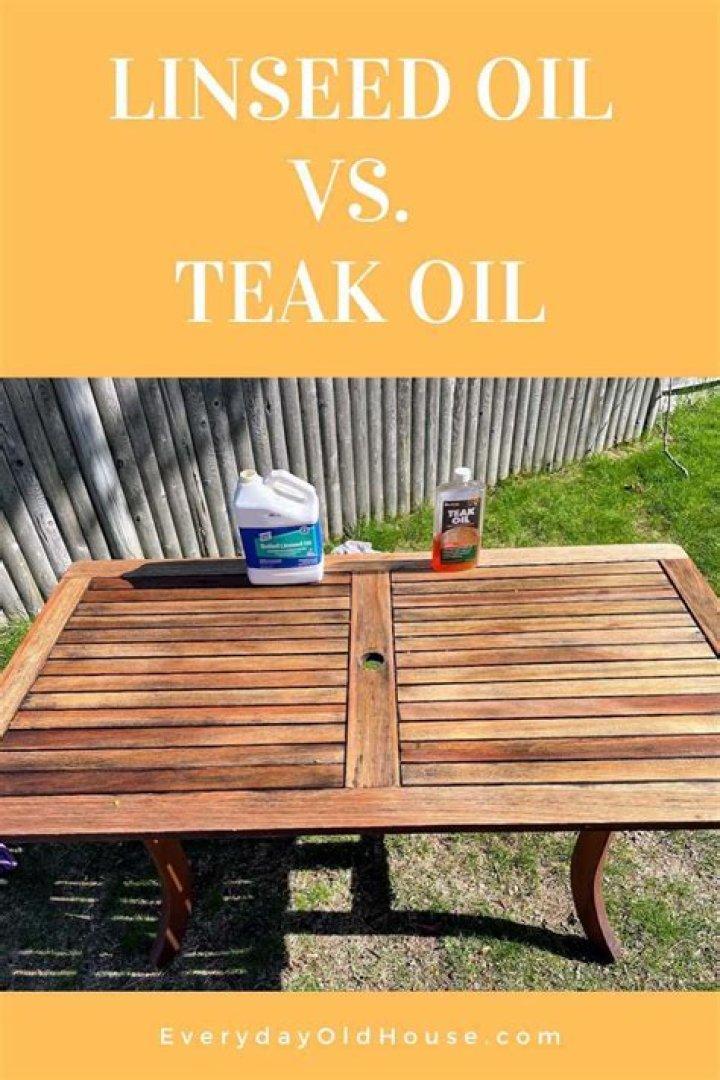
Linseed oil, pressed out of the flax seed, is a common outdoor wood preservative. It soaks deep into the wood, protecting it against water infiltration, which leads to rot. While linseed oil was historically used as a wood preservative, it does have drawbacks such as slow dying times.
How do you protect wood from concrete?
Anyplace where wood meets the ground or concrete, the lumber must be pressure treated. For additional moisture protection, a gasket or strip of closed-cell foam can be installed between the concrete foundation and the sill plate.
What can I use instead of creosote?
Our approved creosote substitute ‘WOCO Creocote’ is a spirit oil-based, effective treatment for exterior wood. It has been developed as a safer (for the user) alternative to original creosote. It is still designed to be used to protect wood against rotting fungi and wood destroying insects on external timbers.
Should you seal deck posts?
Maintaining your wooden deck is the best way to keep it looking it’s best for as long as possible. Cleaning your deck and applying a fresh coat of sealant once every year will help keep the wood from weathering and cracking. With proper care, softwoods are an attractive, affordable, and durable decking option.
Is it better to stain or seal a deck?
Sealing a deck is best for cedar, teak, mahogany, or other quality woods as it enhances the wood grain and natural color. … Staining a deck protects the wood from mold, mildew, moisture, and rot, and UV rays and sun damage.
What is the life expectancy of a pole building?
Finished InteriorEasier to FinishEasiest to FinishClear SpansNot as WideNot as WideFoundationWood PolesBlock FoundationLife Expectancy40 – 60 years60 – 80 yearsBasementNoYes
How deep should an 8ft fence post be?
How Deep Should a Fence Post Be? For an average fence post, about 6 to 8 feet tall, prepare to dig a post hole about 2 feet deep. To install a fence post, you’ll need a shovel or post digger, a 6-foot level, soil, and gravel or crushed stone.
How many bags of cement do I need for a fence post?
Most fence post holes will need between 1 – 4 bags of concrete to securely hold the post in place. The best way to determine the size of the hole is: Diameter of the hole is 3 times the width of the fence post.
What is the difference between pressure treated and ground contact lumber?
Pressure-treated wood is softwood lumber, typically southern yellow pine, that’s been chemically treated to resist rot, decay and termites. Lumber treated to “Ground Contact” has a high chemical retention level and can be placed directly on or in the ground with better protection against rot or decay.
Can I bury pressure treated posts?
Pressure-Treated Wood Makes the Grade Pressure-treated wood in contact with the ground needs the most protection, and will rot in just a few years if you use the wrong grade. … If your wood will touch the ground or be buried, you should get the highest grade you can, up to . 60 if it’s available.
How do you seal ground contact wood?
Thoroughly coat the lumber with water sealer made for wood. Using a pump garden sprayer, spray one coat onto dry lumber. Allow the sealer to soak completely into the lumber grain, and allow two hours between coats. Apply the second coat of sealer to the lumber with a roller or brush.